Surfing Dominican Republic No. 01 · The north coast guide Journal
No. 01 · The north coast guideSeptember 2026 · 8 min read
Journal · Surf

ReadingtheEncuentroforecastlikealocal

Which swell direction lights up which peak, and why the wind matters more than the size.

Every forecast app will tell you Encuentro is “3–4 ft, fair”. None of them will tell you which of the five peaks will be working, or whether the wind will let you surf it. That knowledge lives on the beach at seven in the morning, and this is the version of it we have been able to write down.

The three directions

A straight north swell is the classic: La Izquierda barrels, El Derecho runs long, Coco Pipe wakes up. A north-east swell, the most common in winter, favours the rights and softens the lefts. A north-west swell, rarer, wraps into the bay and is the one day a year Destroyers looks inviting. It is not.
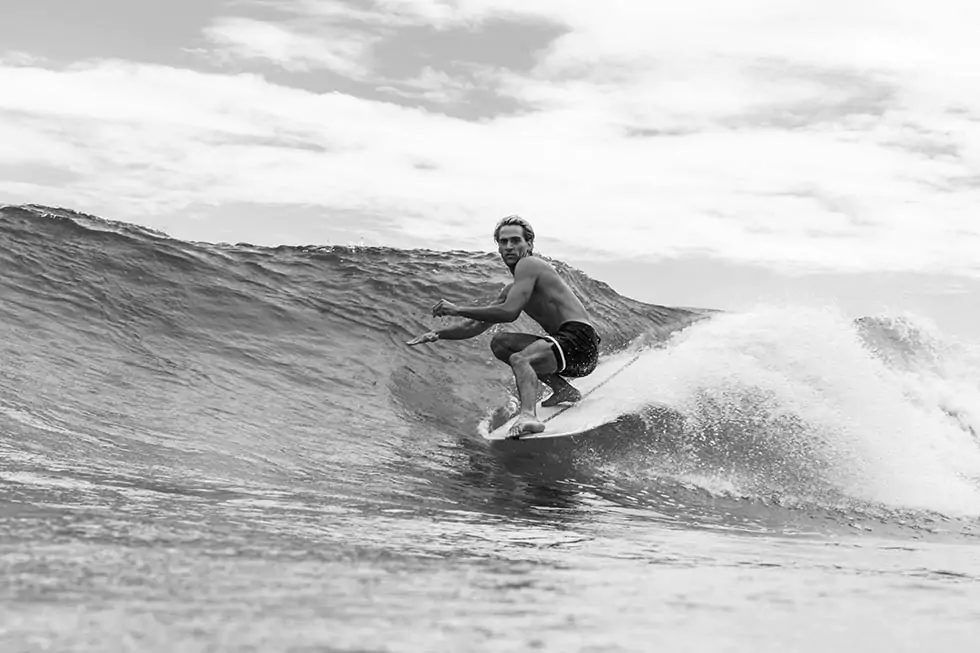
A longboarder trims across a small clean wave, black and white
La Izquierda on a straight north swell.Fig. 1

“Size is what the app sells you. Wind is what you actually get.”

Why wind beats size

The trade wind blows from the east and arrives mid-morning almost every day of the year. Encuentro faces north, so by eleven the wind is side-shore and the faces are crumbling. A head-high day at ten is better than an overhead day at noon; the forecast number is the same for both.

A checklist for the morning

Swell direction first, then the hour the wind is due, then the tide, then — last — the size. If the first three line up, go, whatever the number says.

Where to check

Any of the usual forecast sites will do for direction and period. For the wind, look at the real-time stations at Cabarete; the schools post the morning’s conditions by seven.